




How to Recognize Church Hurt in Your Body and Spirit | Healing Faith Gently
For many women of faith, church hurt isn’t just something we think about.
It’s something we carry.
You might notice it when your chest tightens during worship music, when a scripture makes your stomach drop, or when the idea of church brings an unexplained wave of anxiety. And you may have wondered, What’s wrong with me? Why can’t I just move on?
Nothing is wrong with you.
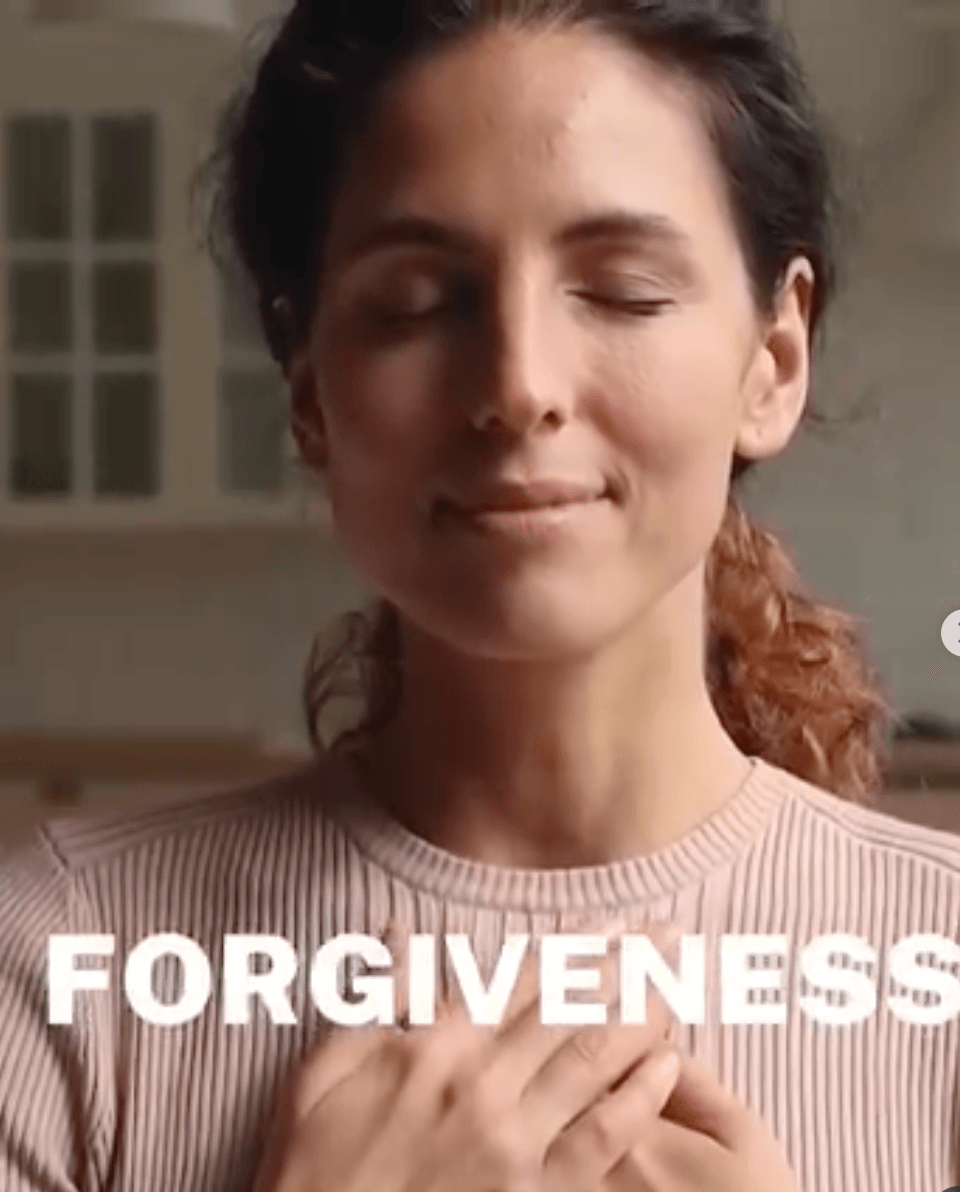
Church hurt often lives not only in our beliefs, but in our bodies and spirits too. Recognizing that is not a lack of faith, it’s the beginning of healing. In this video, I talk more about how church hurt shows up in the body.

What Is Church Hurt?
Church hurt happens when harm occurs in a spiritual or faith-based environment, often in places that were meant to be safe, supportive, and nurturing.
It can come from:
spiritual manipulation or control
shaming teachings
misuse of scripture
emotional neglect by leaders
being silenced, dismissed, or spiritually bypassed
pressure to perform or conform
Because these experiences happen in the name of God, they can deeply affect how safe faith feels, not just emotionally, but physically and spiritually.
Why Church Hurt Lives in the Body
Your body is always paying attention.
When harm happens in a spiritual setting, your nervous system learns to associate faith-related cues with danger, even if your mind tries to rationalize or minimize the experience.
This is not weakness.
It’s how the body protects you.
Trauma doesn’t only live in memory. It lives in sensation, reaction, and pattern.
Signs of Church Hurt in the Body
You may be carrying church hurt in your body if you notice:
anxiety or panic when thinking about church or faith spaces
a tight chest, shallow breathing, or nausea during worship or prayer
feeling on edge when scripture is quoted
difficulty relaxing in spiritual conversations
a freeze or shutdown response when faith topics arise
exhaustion tied to spiritual expectations
These responses are not spiritual failures. They are protective responses formed in environments that didn’t feel safe.
Signs of Church Hurt in the Spirit
Church hurt can also show up spiritually, even if you still believe in God.
You might notice:
confusion about what you believe versus what you were taught
guilt when questioning or setting boundaries
fear of disappointing God
disconnection from spiritual practices you once loved
grief over what faith used to feel like
Many women assume this means their faith is weak or fading. In reality, it often means their spirit is asking for gentler conditions to heal.
You’re Not Broken... You’re Aware
One of the most harmful messages many women internalize is that if faith feels hard, they must be the problem.
But awareness is not rebellion.
Listening to your body is not disobedience.
And naming harm does not threaten God.
Your body and spirit are communicating something important. Healing begins when we stop overriding those signals and start honoring them.
What Healing Can Begin to Look Like
Healing church hurt doesn’t mean forcing yourself back into spaces that feel unsafe. It often starts much smaller and slower.
It may look like:
giving yourself permission to step back
redefining prayer as honesty, not performance
allowing grief for what should have been safe
setting spiritual boundaries without guilt
reconnecting with God outside of church structures
There is no timeline you need to meet. Healing unfolds at the pace of safety.

You Don’t Have to Do This Alone
Recognizing church hurt can be tender and overwhelming. Many women feel relief and grief at the same time when language finally meets their experience.
If you want support navigating this season (gently, without pressure to land anywhere), I offer Clarity Sessions for women healing from church hurt and spiritual trauma. These sessions are a calm space to process what your body and spirit have been holding and discern next steps that honor your faith and well-being.
🌿 You can learn more or book a session here:
And if you’re just beginning, I also created a free guide to help you ground yourself in this process.
🌿 Free Guide: Finding Peace After Church Hurt
If church hurt has been living in your body and spirit, you are not failing faith.
You are responding wisely to what you’ve lived through.
Healing doesn’t start with answers.
It starts with listening.
And you’re allowed to begin right where you are.
Large Call to Action Headline
Polyvagal Theory – Deb Dana
Faith + Spiritual Trauma
Religious Trauma Institute




©Whole & Rooted Counseling. All rights reserved. Terms | Privacy Policy | Disclaimer